
Mastering Secure IT Recycling for Modern Businesses
- glen belfield
- Sep 24, 2025
- 4 min read

When your business upgrades its IT equipment, what happens to the old devices? Simply tossing them in the bin is not an option. You need a plan that protects your data, complies with regulations, and supports environmental responsibility. That’s where mastering secure IT recycling comes in. In this guide, I’ll walk you through everything you need to know about IT recycling services, how to handle your old equipment safely, and why choosing the right partner matters.

Why You Need an IT Recycling Services Guide
IT equipment isn’t just old hardware. It contains sensitive data, valuable materials, and hazardous components. Without proper disposal, you risk data breaches, legal penalties, and environmental harm. This is why an IT recycling services guide is essential for any business.
Here’s what you gain by following a solid IT recycling plan:
Data security: Protect your business and customers by ensuring all data is completely wiped.
Regulatory compliance: Meet UK laws like GDPR and WEEE regulations.
Environmental responsibility: Reduce e-waste and support sustainability.
Cost efficiency: Recover value from old equipment through resale or recycling.
Corporate social responsibility: Support charities and community projects through donations.
By understanding these benefits, you can see why investing time and effort into IT recycling is a smart business move.
What to Look for in IT Recycling Services: Your Essential Guide
Choosing the right IT recycling service is crucial. Not all providers offer the same level of security, compliance, or environmental care. Here’s what you should look for:
1. Data Destruction and Security
Your old devices may contain sensitive information. Look for services that offer certified data destruction methods such as:
Data wiping: Overwriting data multiple times to prevent recovery.
Degaussing: Using magnetic fields to erase data on hard drives.
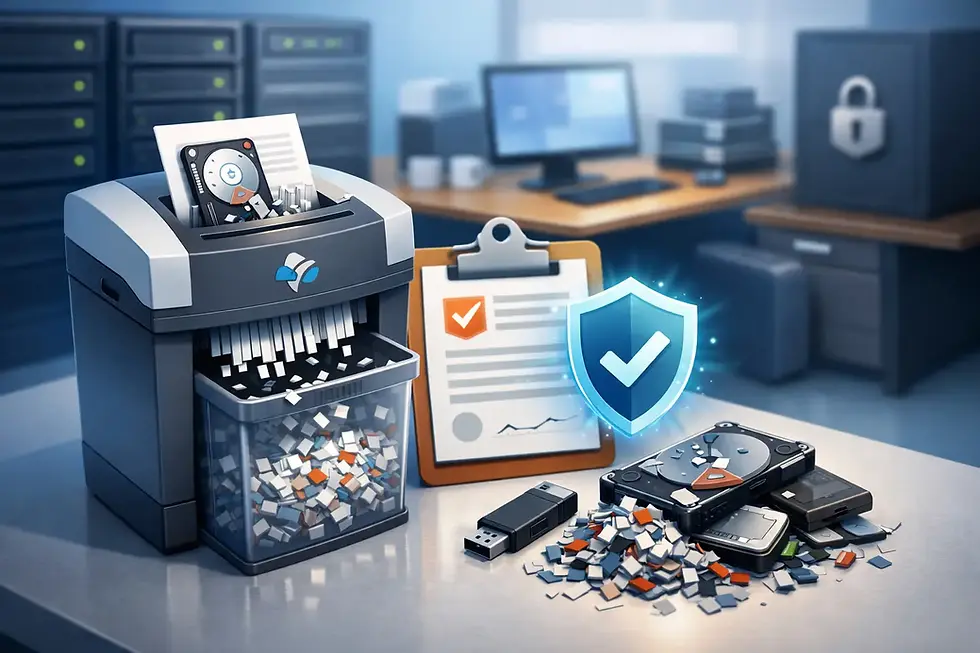
Physical destruction: Shredding or crushing drives to ensure data cannot be retrieved.
Always ask for a certificate of data destruction. This document proves your data was securely handled and protects you from liability.
2. Compliance with UK Regulations
The UK has strict rules on IT disposal. Your provider should comply with:
WEEE Directive: Ensures electronic waste is recycled properly.
GDPR: Protects personal data during disposal.
Environmental permits: Confirm the recycler is licensed to handle e-waste.
Choosing a compliant partner helps you avoid fines and reputational damage.
3. Environmental Responsibility
E-waste contains toxic materials like lead and mercury. Responsible recyclers will:
Recycle components safely.
Dispose of hazardous materials correctly.
Minimise landfill waste.
Support circular economy principles by refurbishing and reselling usable equipment.
4. Transparent Reporting and Tracking
You want clear records of what happens to your equipment. Good services provide:
Detailed reports on recycled and destroyed items.
Tracking of assets from collection to final disposal.
Certificates for compliance and auditing purposes.
5. Additional Services
Some providers offer extra benefits such as:
On-site data destruction.
IT asset remarketing.
Charity donations.
Secure logistics and collection.
Choosing a full-service partner simplifies your process and adds value.

How to dispose of old IT equipment in the UK?
Disposing of old IT equipment in the UK requires careful planning to meet legal and environmental standards. Here’s a step-by-step approach you can follow:
Step 1: Inventory Your Equipment
Make a detailed list of all IT assets you want to dispose of. Include:
Device type (laptops, servers, monitors, etc.)
Serial numbers
Condition (working, damaged, obsolete)
This helps you track assets and plan disposal.
Step 2: Backup and Remove Data
Before disposal, back up any important data. Then, securely erase all data from devices using certified methods. Remember, simply deleting files is not enough.
Step 3: Choose a Certified IT Recycling Partner
Select a recycler that meets the criteria discussed earlier. Verify their certifications and compliance with UK laws.
Step 4: Arrange Collection or Drop-off
Coordinate logistics with your chosen provider. Many offer secure collection services to minimise disruption.
Step 5: Receive Documentation
After disposal, get certificates of data destruction and recycling. Keep these for your records and audits.
Step 6: Consider Donation or Resale
If equipment is still functional, consider donating to charities or reselling. This supports sustainability and community causes.
By following these steps, you ensure your IT disposal is safe, legal, and environmentally friendly.
The Benefits of Partnering with a Trusted IT Recycling Company
Working with a trusted IT recycling company brings peace of mind and tangible benefits. Here’s why it’s worth the investment:
Risk reduction: Avoid data breaches and legal issues.
Time savings: Professionals handle the entire process efficiently.
Cost savings: Recover value from old assets and avoid fines.
Sustainability: Contribute to reducing e-waste and carbon footprint.
Reputation boost: Show your commitment to responsible business practices.
For example, partnering with a company like Bioteknik ensures you get secure it recycling that meets the highest standards. They provide certified data destruction, full compliance, and environmentally responsible disposal. Plus, they support charities by donating refurbished equipment.

Tips for Maintaining Secure IT Recycling Practices in Your Business
To keep your IT recycling process smooth and secure, consider these practical tips:
Create a clear IT asset disposal policy: Define roles, procedures, and standards.
Train your staff: Make sure everyone understands the importance of secure disposal.
Schedule regular audits: Check that all equipment is accounted for and properly handled.
Use secure transport: Ensure devices are protected during collection and transit.
Keep documentation organised: Store certificates and reports for compliance.
Plan ahead: Don’t wait until the last minute to arrange disposal.
By embedding these habits into your business routine, you’ll maintain control and confidence over your IT recycling.
Moving Forward with Confidence in IT Recycling
Mastering IT recycling is not just about ticking boxes. It’s about protecting your business, supporting the environment, and contributing to a better future. With the right knowledge and partners, you can turn old IT equipment into an asset rather than a liability.
Remember, secure IT recycling is achievable with the right approach. Take the time to plan, choose trusted providers, and follow best practices. Your business will benefit from peace of mind, compliance, and a positive impact on the planet.
If you’re ready to take the next step, explore professional IT recycling services that align with your values and goals. Together, we can make IT disposal safe, simple, and sustainable.


Comments