
Effective IT Hardware Recycling for Sustainability
- glen belfield
- Nov 20, 2025
- 4 min read

When your business upgrades its IT equipment, what happens to the old devices? Simply tossing them away is not an option anymore. The environmental impact of discarded electronics is huge, and the risks of data breaches from improper disposal are real. That’s why sustainable hardware recycling is essential. It helps you protect sensitive information, comply with regulations, and contribute to a healthier planet.
Let me walk you through how you can make your IT asset disposal both secure and eco-friendly. I’ll share practical tips, explain the benefits, and show you how to partner with trusted recycling services.
Why Biotekniks Sustainable Hardware Recycling Matters
Sustainable hardware recycling is more than just throwing old computers and servers into a bin. It’s about responsibly managing electronic waste to reduce environmental harm and recover valuable materials. Here’s why it’s crucial:
Protects the environment: Electronics contain hazardous substances like lead, mercury, and cadmium. If these end up in landfills, they can contaminate soil and water.
Conserves resources: Recycling recovers metals such as gold, silver, and copper, reducing the need for mining new materials.
Ensures data security: Proper recycling includes secure data destruction, preventing sensitive information from falling into the wrong hands.
Supports compliance: Many regulations require businesses to dispose of IT equipment responsibly. Sustainable recycling helps you meet these legal obligations.
Promotes corporate responsibility: Showing commitment to sustainability enhances your brand reputation and appeals to eco-conscious clients.
By choosing sustainable hardware recycling, you’re not just ticking a box—you’re making a positive impact on your community and the planet.

How to Implement Sustainable Hardware Recycling in Your Business
Getting started with sustainable hardware recycling might seem daunting, but it’s easier than you think. Here’s a step-by-step guide to help you:
1. Conduct an IT Asset Inventory
Begin by listing all the IT equipment you want to dispose of. Include computers, servers, printers, monitors, and peripherals. Knowing what you have helps you plan the recycling process efficiently.
2. Choose a Certified Recycling Partner
Look for a recycling company with certifications like ISO 14001 (environmental management) and ISO 27001 (information security). This ensures they follow strict standards for both sustainability and data protection.
3. Secure Data Destruction
Before recycling, all data must be securely erased or destroyed. Methods include:
Data wiping: Overwriting data multiple times to make recovery impossible.
Degaussing: Using magnetic fields to erase data on hard drives.
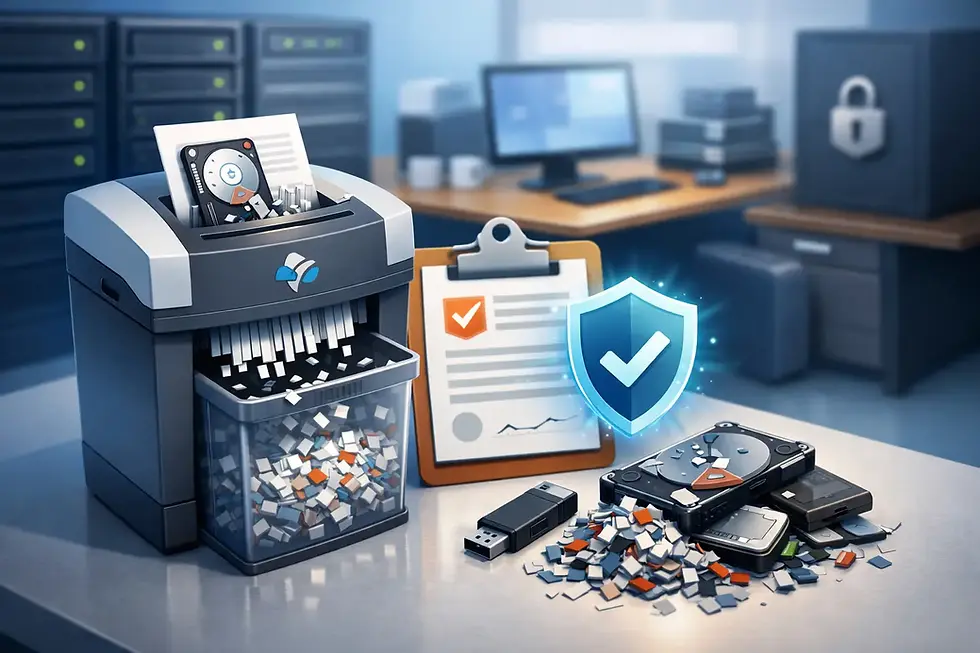
Physical destruction: Shredding or crushing drives to prevent data retrieval.
Ask your recycling partner to provide a certificate of data destruction for your records.
4. Arrange Collection or Drop-off
Coordinate with your recycling provider to collect the equipment or drop it off at their facility. Ensure the logistics are secure to prevent loss or theft during transit.
5. Track and Report
Keep detailed records of the recycling process, including certificates and reports. This documentation helps with compliance audits and demonstrates your commitment to sustainability.
6. Consider Donation or Refurbishment
If some equipment is still functional, consider donating it to charities or refurbishing it for reuse. This extends the life of your devices and benefits communities in need.
By following these steps, you can confidently manage your IT hardware recycling in a way that’s both secure and sustainable.
The Role of Compliance in Sustainable Hardware Recycling
Compliance is a key driver behind responsible IT asset disposal. Various laws and regulations govern how businesses must handle electronic waste and data security. Here’s what you need to know:
Data Protection Act 2018 and GDPR: These require businesses to protect personal data, including when disposing of IT equipment. Failure to securely erase data can lead to hefty fines.
Waste Electrical and Electronic Equipment (WEEE) Regulations: These set standards for recycling electronic waste in the UK, ensuring it’s processed safely and responsibly.
Environmental Protection Act 1990: This law makes businesses responsible for the proper disposal of waste, including hazardous materials in electronics.
Partnering with a recycling company that understands these regulations helps you avoid legal risks. They will handle your equipment in compliance with the law and provide the necessary documentation.
Practical Benefits of Partnering with a Trusted Recycling Service
Choosing the right recycling partner can transform your IT asset disposal from a headache into a smooth, beneficial process. Here’s what you gain:
Peace of mind: Knowing your data is securely destroyed and your waste is handled responsibly.
Time savings: Professional services manage logistics, paperwork, and compliance for you.
Environmental impact: Your old equipment is recycled or reused, reducing landfill waste.
Charitable contributions: Some partners refurbish and donate equipment to charities, extending your positive impact.
Cost efficiency: Recycling can sometimes offset disposal costs through recovered materials or resale of refurbished devices.
For example, Bioteknik offers secure and environmentally responsible IT hardware recycling tailored to UK businesses. Their expertise ensures your disposal process is compliant, secure, and sustainable.

How You Can Start Making a Difference Today
You don’t have to wait for your next IT upgrade to start thinking about sustainable hardware recycling. Here are some simple actions you can take right now:
Audit your current IT disposal practices: Identify gaps in security or sustainability.
Educate your team: Make sure everyone understands the importance of responsible disposal.
Set a policy: Create clear guidelines for IT asset disposal within your organisation.
Research recycling partners: Find certified providers with strong environmental and security credentials.
Plan ahead: Schedule regular recycling events or integrate disposal into your IT lifecycle management.
Remember, every device you recycle responsibly helps reduce e-waste and protects sensitive data. It’s a win-win for your business and the environment.
By embracing sustainable hardware recycling, you’re not just disposing of old equipment—you’re investing in a safer, greener future. With the right approach and trusted partners, you can meet compliance standards, protect your data, and make a meaningful environmental impact. Let’s make responsible IT asset disposal the new normal.


Comments