
Maximising Security in IT Recycling
- glen belfield
- Oct 14, 2025
- 4 min read

When it comes to disposing of your old IT equipment, security should be your top priority. You might think wiping a hard drive or deleting files is enough, but the reality is far more complex. Sensitive data can still be recovered if not handled properly. That’s why secure computer recycling services are essential for businesses that want to protect their information and comply with regulations. In this post, I’ll walk you through the best practices for maximising security in IT recycling, helping you make informed decisions that safeguard your data and the environment.
Why Secure Computer Recycling Services Matter
You might wonder why you can’t just throw away or donate your old computers and devices. The truth is, IT equipment often contains confidential data - from customer details to financial records. If this data falls into the wrong hands, it can lead to identity theft, financial loss, or damage to your company’s reputation.
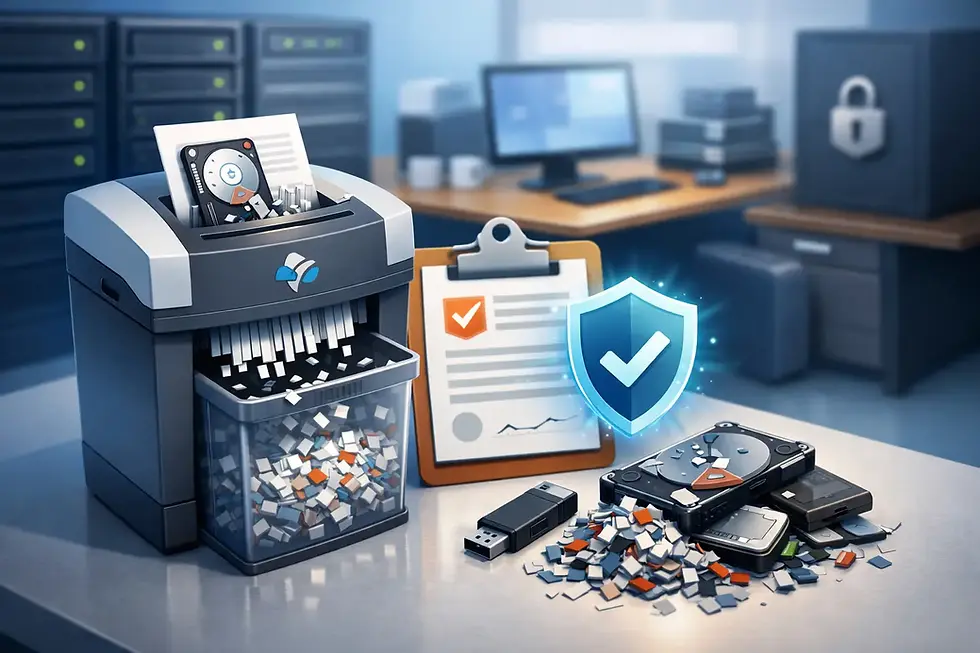
Secure computer recycling services ensure that your devices are handled with care. They use certified processes to destroy or erase data beyond recovery. This means your information stays safe, even after the equipment leaves your premises.
Here are some key reasons to choose secure computer recycling services:
Data Protection: Certified data destruction methods like shredding or degaussing prevent data breaches.
Regulatory Compliance: Many industries require proof of secure disposal to meet legal standards.
Environmental Responsibility: Proper recycling reduces electronic waste and supports sustainability.
Asset Recovery: Some services offer resale or donation options, helping you recover value or support charities.

How Secure Computer Recycling Services Work
Understanding the process behind secure computer recycling services can give you peace of mind. Typically, the process involves several steps designed to protect your data and the environment.
Collection and Inventory
Your old IT equipment is collected and logged. This inventory helps track each item throughout the recycling process.
Data Sanitisation
Data is securely erased using methods like software wiping, degaussing (magnetic erasure), or physical destruction. The choice depends on the device and your security needs.
Certification
After data destruction, you receive a certificate of destruction. This document proves compliance with data protection laws and internal policies.
Recycling or Disposal
Devices are dismantled, and components are recycled responsibly. Hazardous materials are handled according to environmental regulations.
Asset Recovery and Donation
Some equipment may be refurbished and resold or donated to charities, extending the life of your IT assets.
By following these steps, secure computer recycling services protect your business from data leaks and help you meet compliance standards.

Choosing the Right Secure Computer Recycling Partner
Not all recycling services are created equal. When selecting a partner, you want to ensure they meet high standards for security, compliance, and environmental responsibility. Here are some tips to help you choose wisely:
Check Certifications
Look for certifications like ISO 27001 (information security), ISO 14001 (environmental management), and R2 or e-Stewards (electronics recycling standards).
Ask About Data Destruction Methods
Confirm that the provider uses certified data destruction techniques and offers certificates of destruction.
Review Compliance Support
Your partner should help you meet GDPR and other relevant regulations by providing detailed documentation.
Evaluate Environmental Practices
Ensure they recycle responsibly and avoid sending e-waste to landfill or overseas dumping grounds.
Consider Additional Services
Some providers offer asset tracking, reporting, and even charitable donation programs.
By partnering with a trusted provider, you can confidently hand over your IT assets knowing they will be handled securely and sustainably.
Practical Tips for Maximising Security in IT Recycling
You don’t have to leave everything to your recycling partner. There are steps you can take internally to boost security before handing over your equipment:
Create a Clear IT Asset Disposal Policy
Define who is responsible for disposal, what equipment is covered, and the approved methods.
Perform Initial Data Backup
Before disposal, back up any important data to secure storage.
Use Encryption
Encrypt sensitive data on devices to add an extra layer of protection.
Physically Secure Devices Before Collection
Store equipment in a locked area until it is collected by the recycling service.
Maintain Detailed Records
Keep logs of disposed assets, destruction certificates, and any communications with your recycling partner.
Train Staff
Educate employees about the importance of secure IT recycling and the risks of improper disposal.
Taking these steps helps you maintain control over your data and supports a smooth, secure recycling process.

The Role of Secure IT Recycling in Sustainability and Charity
Secure IT recycling is not just about data protection. It also plays a vital role in environmental sustainability and social responsibility. When you choose a reputable recycling partner, you contribute to reducing electronic waste and supporting charitable causes.
Many secure recycling services refurbish usable equipment and donate it to schools, non-profits, or community projects. This extends the life of devices and helps bridge the digital divide.
Additionally, responsible recycling prevents harmful substances like lead, mercury, and cadmium from polluting the environment. It also recovers valuable materials such as gold, silver, and copper, which can be reused in manufacturing.
By opting for **secure it recycling**, you align your business with ethical practices that benefit both the planet and society.
Taking the Next Step with Secure Computer Recycling Services
Now that you understand the importance of secure computer recycling services and how to maximise security, it’s time to take action. Start by assessing your current IT disposal practices and identifying any gaps in security or compliance.
Reach out to a trusted provider who can guide you through the process and tailor solutions to your business needs. Remember, secure IT recycling is an investment in protecting your data, your reputation, and the environment.
With the right approach, you can confidently dispose of your IT assets knowing you’ve done everything possible to keep your information safe and support a sustainable future. Don’t wait until a data breach or compliance issue forces your hand - make secure computer recycling a priority today.


Comments