
Embracing IT Recycling: A Path Towards Sustainability
- glen belfield

- Apr 3, 2025
- 4 min read
Updated: May 20, 2025
In today's fast-paced tech landscape, we face a growing challenge: electronic waste. As technology evolves, organizations accumulate outdated electronic devices, leading to harmful waste. Companies are realizing that effective IT recycling is not just a best practice; it’s vital for environmental sustainability and corporate integrity. Embracing IT recycling can enhance a company's reputation and make a positive impact on the environment.
Understanding IT Recycling
What is IT Recycling?
IT recycling is the process of reconditioning and repurposing used electronics instead of discarding them as waste. This includes computers, servers, networking equipment, and other devices. It's not merely about recycling materials; it involves the secure disposal of data to protect sensitive information.
For instance, a single discarded hard drive can hold sensitive company and customer information. Without proper data destruction, this data can end up in the wrong hands. By committing to IT recycling, businesses can avoid these risks while supporting environmental conservation.
The Environmental Impact of E-Waste
Dangers of Improper Disposal
The impact of improper disposal of electronic waste is concerning. Landfills filled with e-waste can release toxic substances like lead and mercury into the environment. According to the United Nations, over 50 million metric tons of e-waste was generated globally in 2021. This figure is expected to grow by 21% by 2024. These hazardous waste products can seep into the soil, harming ecosystems for years to come.
The Benefits of Recycling
Recycling old IT equipment can significantly decrease the environmental footprint from the manufacturing of new devices. For example, recycling one million laptops can save the same amount of energy used by about 3,657 households in a year. Furthermore, by participating in recycling programs, organizations can help lessen the demand for new raw materials, preserving our planet's resources.

Data Security Concerns
The Importance of Data Safety
Data security is a significant concern when it comes to IT recycling. With sensitive information stored on devices, the risk of data breaches is heightened during disposal. It is crucial for organizations to partner with reliable IT recycling vendors that follow strict data destruction protocols.
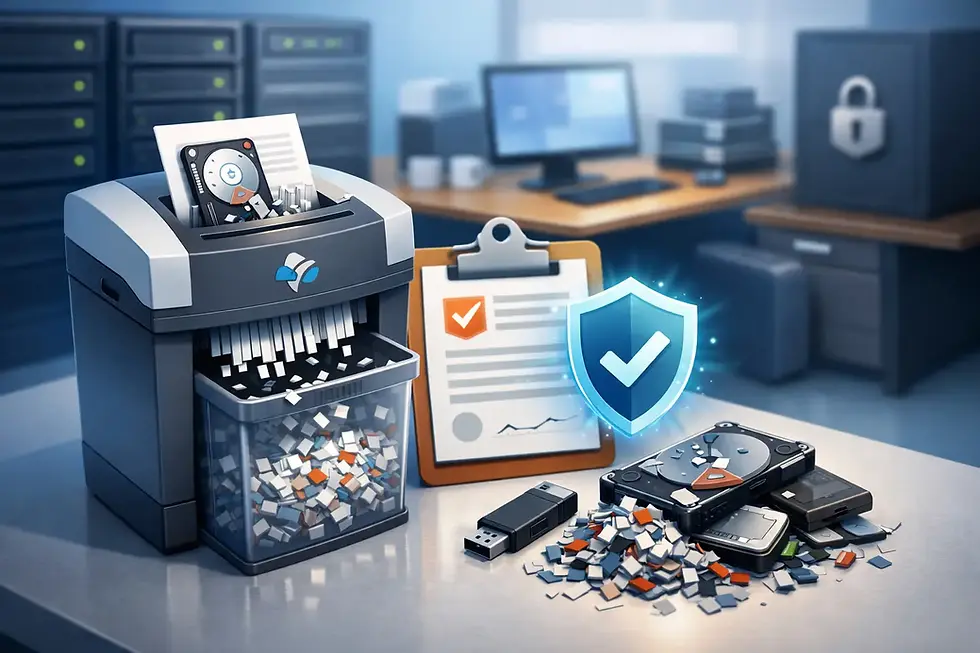
Certified methods include data wiping, which ensures data is permanently erased, and the physical destruction of hard drives, preventing any chance of recovery. Defining clear policies around data governance is essential for protecting private information and maintaining customer trust.
Cost Savings and Efficiency
Financial Benefits of IT Recycling
Investing in IT recycling offers not just ethical benefits but also financial gains. Companies can save significantly by purchasing refurbished devices instead of new ones. Refurbished items can be up to 30% cheaper while still providing the necessary performance for daily operations.
Understanding the residual value of old assets means businesses can recover costs by working with certified recycling companies that may compensate for refurbished equipment. For many, this can translate into considerable savings that can be redirected to other business initiatives.
Encouraging a Culture of Sustainability
Creating a Sustainable Workplace
Incorporating IT recycling practices encourages a culture of sustainability within an organization. This commitment to eco-friendly practices showcases a company's dedication to social responsibility.
Research shows that approximately 64% of employees prefer working for companies with strong commitments to sustainability. When businesses engage their staff in IT recycling initiatives, employees may feel empowered to adopt sustainable habits both at work and in their personal lives. This involvement can lead to improved workplace morale and innovation.
The Role of Regulations and Certifications
Compliance and Certification Importance
Organizations must comply with existing regulations that govern electronic waste. Many regions mandate proper e-waste disposal and set minimum recycling standards. Companies that neglect these regulations risk facing significant fines and damaging their public image.
Additionally, obtaining certifications from well-respected organizations can validate an IT recycling vendor's adherence to environmental standards. Certifications like R2 (Responsible Recycling) and e-Stewards assure clients that they are working with compliant and responsible partners.
The Future of IT Recycling
Innovations on the Horizon
As technology advances, the future of IT recycling looks promising. New recycling technologies, such as urban mining and advanced extraction methods, are making e-waste recycling more effective and less harmful.
Moreover, embracing circular economy principles can lead to designing products that are easier to recycle and have greater longevity. Companies that integrate these principles into their strategies can lead the way in creating a more sustainable technological future. This includes fostering an environment where everyone understands the critical role that IT recycling plays in societal well-being.
Moving Toward Sustainable Practices
A Collective Responsibility
IT recycling is more than just a checkbox item on a corporate agenda; it reflects a commitment to ethical responsibility and societal well-being. By implementing effective recycling strategies, businesses can significantly reduce their environmental footprint, safeguard sensitive data, and promote a culture of sustainability among their teams.
As organizations become more aware of their ecological duties, the importance of IT recycling will continue to grow. Implementing robust IT recycling programs is not an optional choice; it is an essential aspect of ethical leadership today.
Taking coordinated steps toward responsible IT recycling ensures a healthier planet for future generations. By linking environmental consciousness with corporate practices, organizations can move toward a promising future—one recycled device at a time.

---wix--


Comments